What is LWCF?
The Land and Water Conservation Fund, known as LWCF, was established by Congress in 1964. It fulfills a bipartisan commitment to safeguard natural areas, water resources, and cultural heritage sites across the nation, and it provides outdoor recreation opportunities for rural and urban communities alike. Thanks to funding from LWCF, outdoor spaces like national parks (including Glacier and Yellowstone), national wildlife refuges, national forests, rivers and lakes, community parks, trails, and athletic fields — to name just a few — have been set aside for everyone to enjoy in all 50 states.
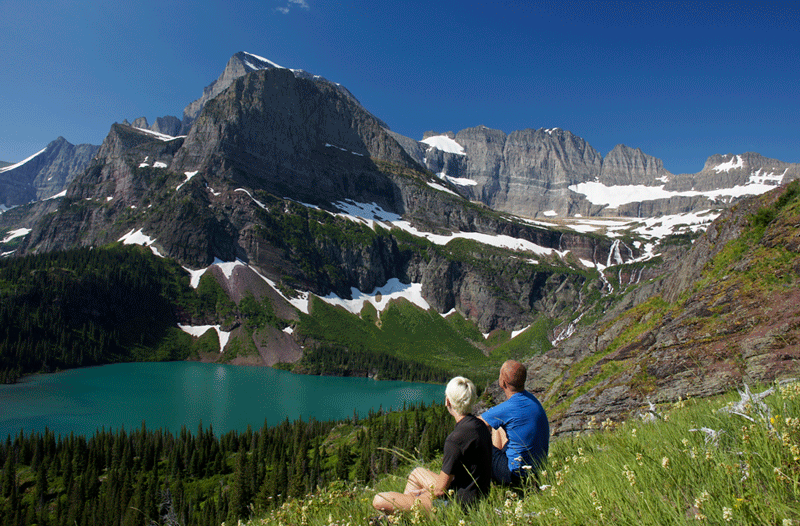
LWCF is divided into a “state side,” which provides grants to state and local governments, and a “federal side,” which is used to acquire lands and waters necessary to achieve the natural, cultural, wildlife, and recreation management goals of the various federal land management agencies. For example, in Glacier National Park, LWCF investments of almost $8 million have been used to protect critical inholdings and special areas inside the park boundary, such as a 120-acre property near Harrison Lake — the last major privately-owned property on the Middle Fork of the Flathead River — which was protected using a $900,000 LWCF investment in 2012.
On August 4, 2020, the Great American Outdoors Act (GAOA) was signed into law by President Donald Trump. A landmark conservation bill, the GAOA 1) provided $9.5 billion over five years to address a maintenance backlog at national parks, and 2) fully and permanently invested $900 million per year in LWCF. Notably, ZERO PERCENT of this $900 million comes from taxpayer dollars. Instead, LWCF’s primary source of income is fees and royalties from offshore oil and gas drilling.
LWCF Across Montana
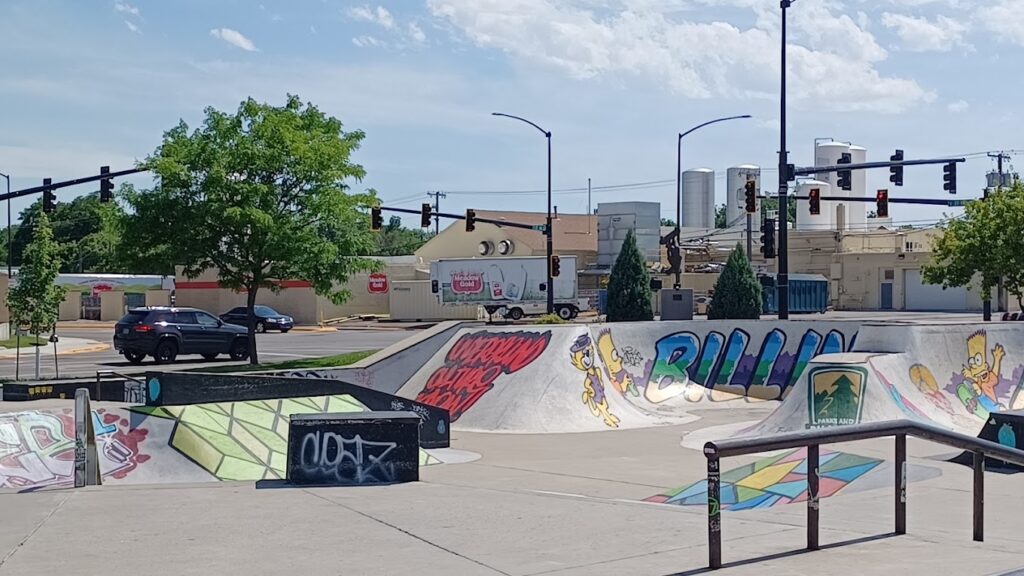
Montana has long benefited from LWCF investments (more than $649 million over the past five decades!). These funds have protected working lands, improved access for sportsmen and women, and enhanced local parks — all at no cost to taxpayers. From these investments, LWCF has helped preserve Montanans’ access to public lands for hunting, fishing, and outdoor recreation, which generate over $3.4 billion annually for our state’s economy.
From national parks and remote wilderness to local baseball fields and fishing access sites, LWCF has funded over 1,900 beloved sites and programs across Montana. To view a map of LWCF projects in YOUR community (and across the U.S.), click below ⬇️
Many more projects are in the works across our Big Sky State — including projects in the Blackfoot River Watershed, Lolo National Forest, the Rocky Mountain Front, and beyond. In fact, the FY25 LWCF project list included over $50 million in investments specifically for Montana.
Today’s Threats to LWCF
In May 2025, the Trump Administration released the President’s Budget Request for Fiscal Year 2026, which proposed a shocking reversal of the Great American Outdoors Act (GAOA). It recommended gutting more than $100 million from LWCF to pay for the U.S. Forest Service’s maintenance backlog, while simultaneously proposing to cut that agency’s maintenance budget by $66 million.
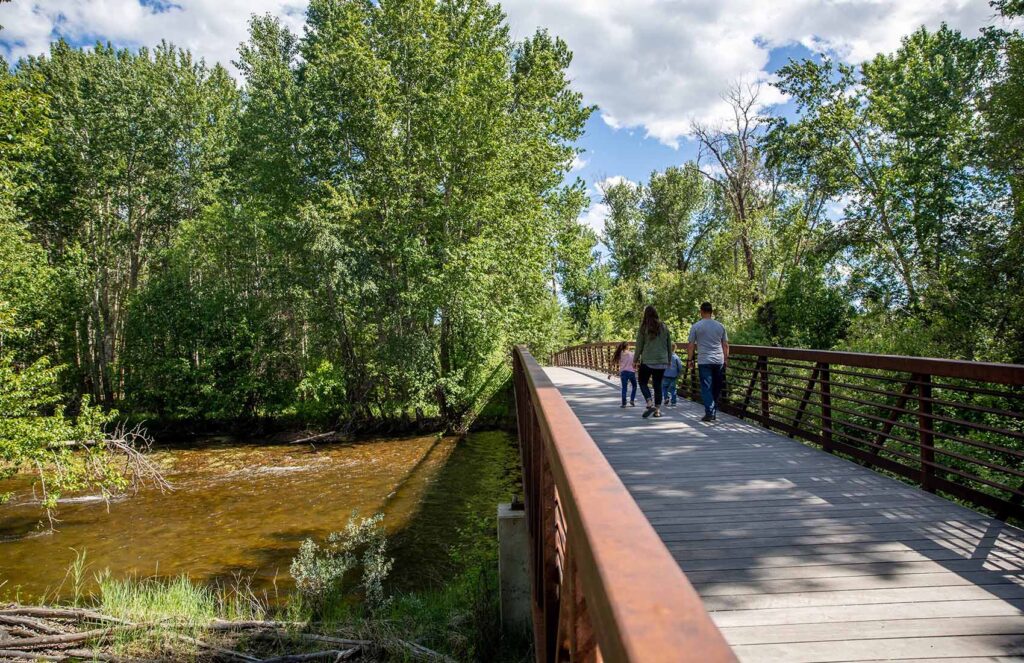
If adopted, this proposal would have cut annual LWCF priority projects at our national parks, national forests, and other public lands, as well as blocked hunting, fishing, and recreation access to countless outdoor spaces.
As of August 2025, the Senate and House Appropriations Committees have rejected the proposed cut to LWCF, but the final numbers still await consideration by the full chambers.
Meanwhile, Trump officials are now seeking to slash funding for LWCF through a different avenue. On August 2, 2025, it was revealed that the Department of the Interior (DOI) is drafting an order to take money directly from LWCF and use it instead for maintenance of national parks and other federal lands — thereby offsetting the massive budget cuts that the Trump Administration has already made to federal agencies like the National Park Service. Additionally, in an apparent bid to halt the expansion of public lands outright, DOI leadership has refused to provide a list of proposed 2026 LWCF projects to Congress for budgetary consideration.

The Montana Conservation Voters Education Fund
PO Box 1814 • Helena, MT 59624
406.254.1593
The MCV Education Fund is a 501(c)3 nonprofit organization. Contributions are tax deductible. Tax ID: 81-0525336.
Visit Montana Conservation Voters' website